Pertamina Advisory on Using Fuel That Meets Specifications: Is an Injector Cleaner Needed to Maintain Engine Efficiency? | PT Panca Makmur Baru
Using fuel that meets vehicle specifications is a crucial step in maintaining engine performance and efficiency. Every vehicle comes with manufacturer recommended fuel specifications that should be followed to ensure the combustion process operates as designed.
However, simply choosing the right fuel does not guarantee optimal fuel consumption. Factors such as air filter condition, tire pressure, driving habits, vehicle load, and the cleanliness of the fuel system also influence vehicle efficiency.
One component that requires attention is the fuel injector. This component is responsible for spraying fuel into the engine at the correct volume and spray pattern. If deposits form and interfere with injector performance, the fuel injection process may become suboptimal.
Therefore, in addition to using manufacturer recommended fuel and performing regular maintenance, vehicle owners should also understand the role of fuel injector cleaners as a means of keeping the fuel system clean.
Fuel Must Match Vehicle Specifications
Every engine is designed with specific characteristics and fuel requirements. For gasoline powered vehicles, a key parameter is the octane rating, or RON (Research Octane Number). Diesel vehicles, meanwhile, use fuel with different characteristics, including ignition quality parameters such as the cetane number.
Fuel selection should not be based solely on price or the assumption that a higher octane rating always improves fuel economy. The most important factor is adhering to the vehicle manufacturer’s recommendations.
Using the appropriate fuel ensures the engine operates according to its combustion design. Conversely, fuel that does not meet engine requirements can affect performance and potentially lead to problems under certain conditions.
Why Is a Vehicle Still Inefficient Even When Using the Right Fuel?
Have you chosen the recommended fuel, yet fuel consumption still seems high? There are several other factors to check.
- Incorrect tire pressure
Tire pressure that is too low increases rolling resistance. Consequently, the engine requires more energy to move the vehicle. Check tire pressure regularly according to the manufacturer’s recommendations. - Dirty air filter
The engine requires an adequate air supply to support the combustion process. A dirty air filter can restrict airflow and affect engine performance. The air filter should be inspected and replaced according to the maintenance schedule. - Inconsistent driving habits
Sudden acceleration, frequent braking, fluctuating speeds, and the habit of leaving the engine running while the vehicle is stationary can increase fuel consumption. - Engine and fuel system condition
Worn components, delayed maintenance, or fuel system issues can impact efficiency. For fuel injected engines, injector cleanliness is also a factor that requires attention.
Keep in mind that increased fuel consumption does not always indicate dirty injectors. A thorough inspection is still necessary to identify the actual cause.
The Function of Fuel Injectors in Vehicles
A fuel injector is a component that regulates the spraying of fuel into the engine. In an injection system, fuel must be delivered with the correct quantity and spray pattern to ensure optimal combustion.
With vehicle use, deposits from fuel and the combustion process can accumulate in specific parts of the fuel system. If these deposits interfere with injector performance, the spray pattern may change, affecting engine operation.
Some symptoms to watch out for include:
- Increased fuel consumption without an apparent cause.
- Reduced engine responsiveness during acceleration.
- Unstable engine idle.
- Decreased engine performance.
These symptoms do not automatically confirm that the injector is dirty. Issues with the ignition system, sensors, filters, or other components can also cause similar problems. Therefore, have the vehicle inspected if the issue persists.
Understanding Fuel Injector Cleaners and How They Work
A fuel injector cleaner is a maintenance product formulated to help remove deposits from injectors and specific parts of the fuel system, in accordance with its intended function and usage instructions.
Proper use of the product can help maintain the cleanliness of the fuel system. However, results depend on the vehicle’s condition, the type of deposits, the product’s formulation, and the method of application.
A fuel injector cleaner is not a substitute for routine servicing and cannot repair all types of damage. If injectors suffer from mechanical failure or severe clogging, inspection and repair by a technician may still be required.
It is also important to select a product suitable for the specific engine type. Products designed for gasoline vehicles are not necessarily suitable for diesel vehicles, and vice versa.
D31 Fuel Injector Cleaner for Gasoline and Diesel Vehicles
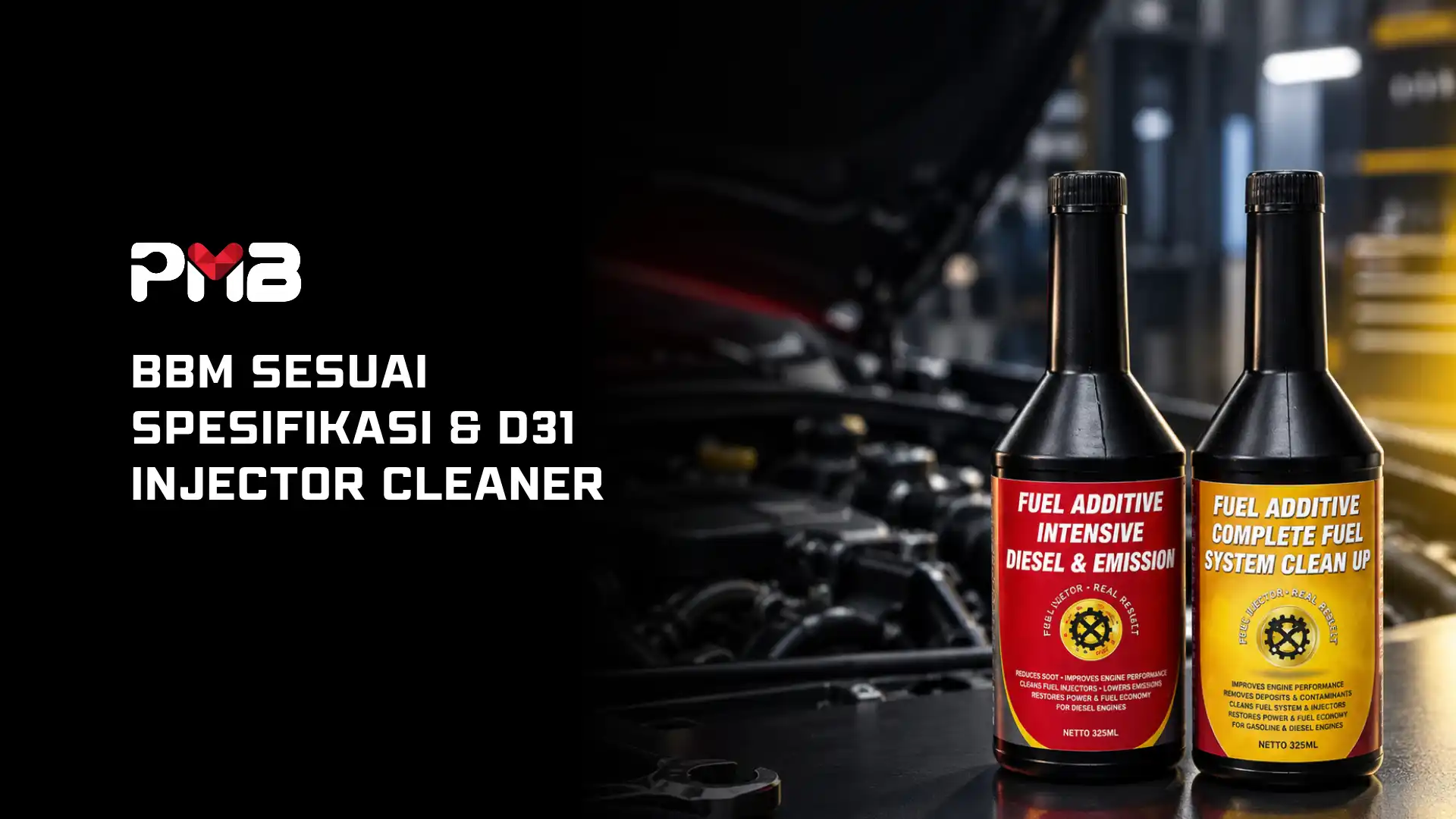
To assist with fuel system maintenance, PMB offers the D31 Fuel Injector Cleaner product for both gasoline and diesel applications.
1. D31 Gasoline Fuel Injector Cleaner
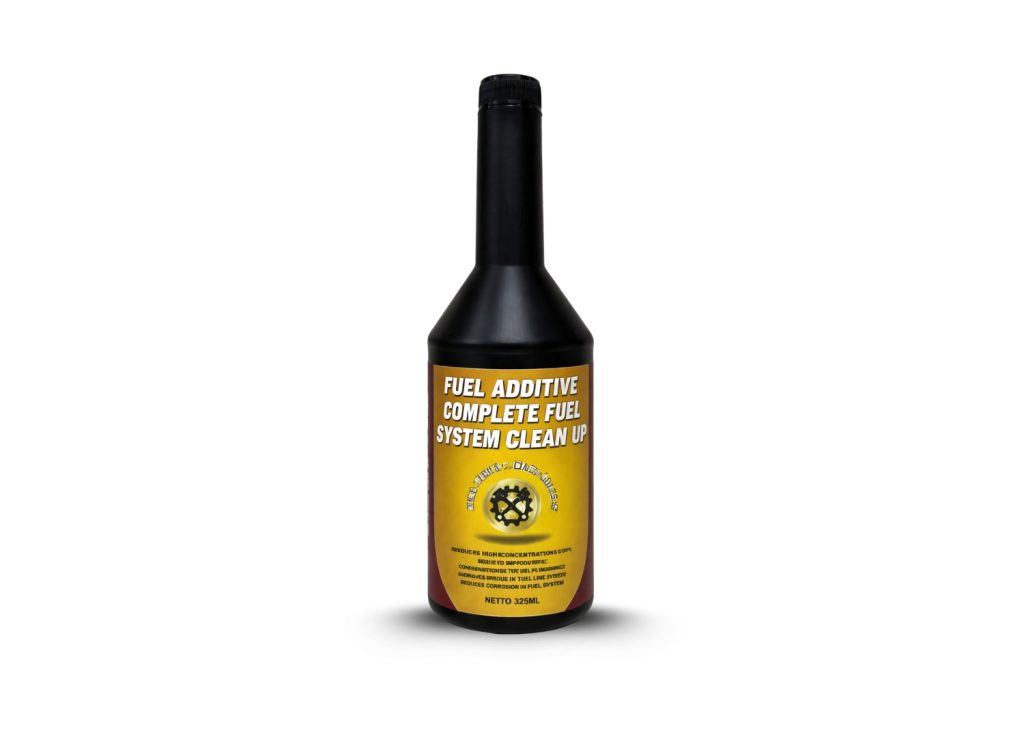
Designed for gasoline powered vehicles, this product helps clean deposits from injectors and the gasoline fuel system when used according to the instructions.
It serves as a maintenance option for gasoline vehicle owners looking to keep their fuel systems clean as part of routine vehicle care.
2. D31 Diesel Fuel Injector Cleaner
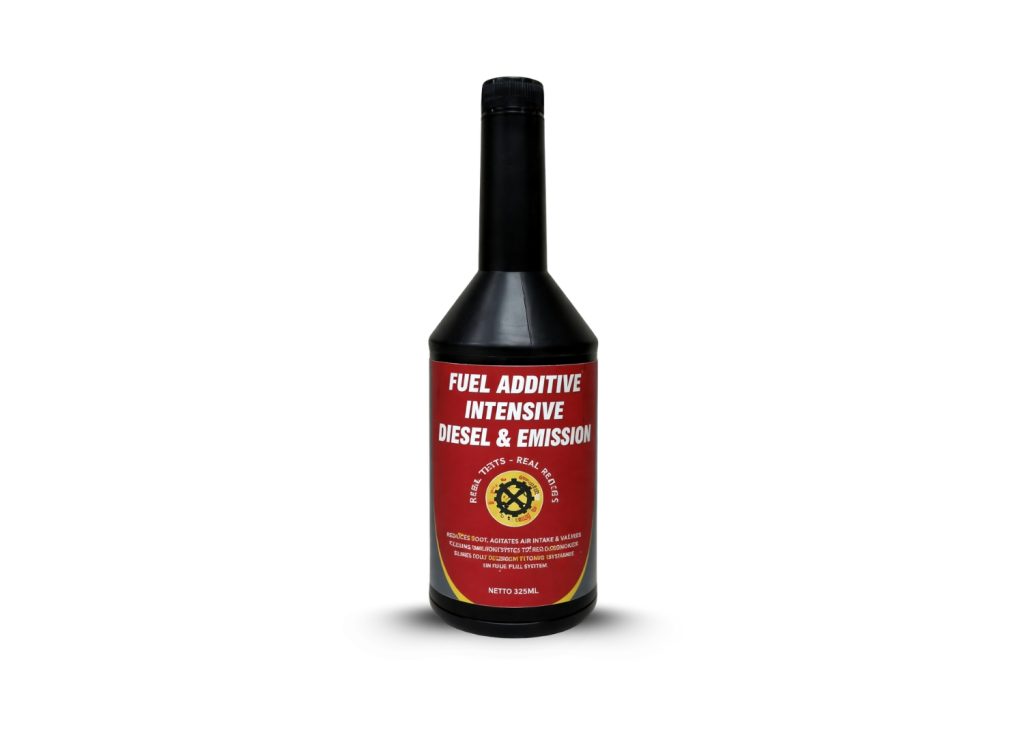
Designed for diesel powered vehicles, this product helps clean deposits from injectors and the diesel fuel system when used according to the instructions.
Diesel fuel system maintenance is essential for supporting engine performance, particularly for vehicles used regularly for long distance travel, daily operations, or work related tasks.
Injector Cleaner Improves Fuel Efficiency
Injector cleaners are often associated with fuel efficiency, but their benefits should be viewed realistically.
If deposits on the injectors are indeed disrupting the fuel spray pattern, proper cleaning can help restore performance. Under such conditions, engine efficiency may improve.
To ensure maintenance is effective, follow these steps:
- Use fuel that meets the manufacturer’s recommendations.
- Service the vehicle regularly.
- Check the air filter and tire pressure.
- Avoid unnecessary acceleration and braking.
- Use an injector cleaner suitable for the engine type and follow the product instructions.
- Have a technician inspect the vehicle if fuel consumption increases abnormally.
With this approach, vehicle maintenance is based on the engine’s actual needs rather than simply trying a product to solve every problem.
When Is the Best Time to Use an Injector Cleaner?

The timing for using an injector cleaner should align with the product label instructions and the vehicle’s specific needs; not all vehicles require the same frequency of use.
Using such a product can be considered part of fuel system maintenance, provided it aligns with product recommendations and the vehicle’s condition. However, if the engine exhibits symptoms like sputtering, difficulty starting, or significant power loss, do not rely solely on a cleaning agent; a thorough inspection may be necessary to identify the root cause.
For vehicles used daily, keeping records of fuel consumption and service schedules can help owners objectively assess changes in efficiency.
Maintaining fuel efficiency starts with the basics: using fuel that meets vehicle specifications, performing regular maintenance, and monitoring the condition of the engine and fuel system.
Fuel injector cleaners can be part of this maintenance routine when used according to requirements and product instructions. D31 offers Fuel Injector Cleaner options tailored to specific fuel types, suitable for both gasoline and diesel vehicles.
Contact PT Panca Makmur Baru for product information and consultation:
- Phone: 021 2105 7016
- Email: sales@pancamakmurbaru.com
Choose the right maintenance product, follow the usage instructions, and keep your vehicle in top shape through proper care.
Want to know more or place an order? Contact us at PT Panca Makmur Baru—the official distributor of D31 in Indonesia. Click the “Contact Us” button now!