

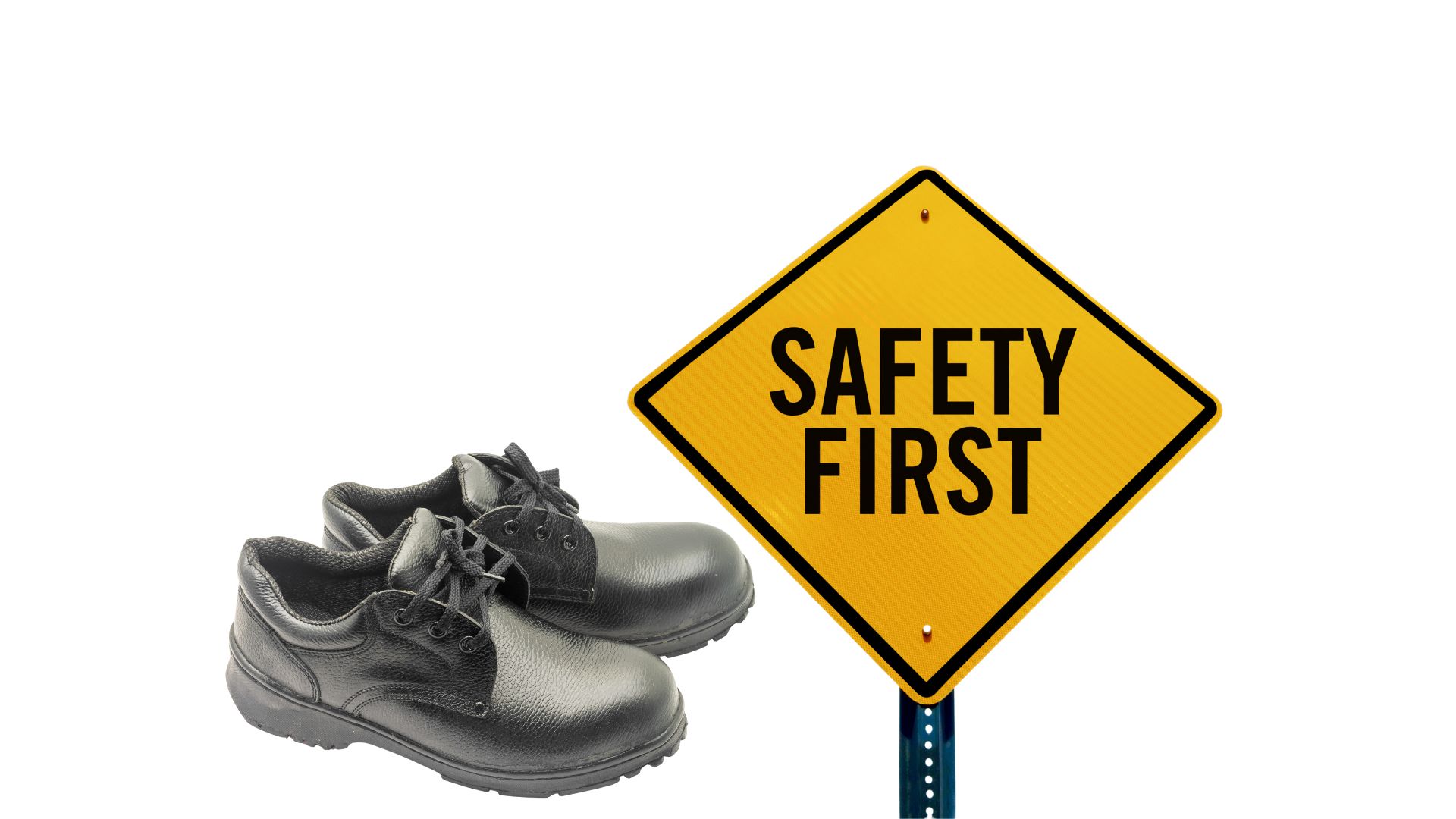
Industrial Safety Shoes: Functions, Standards, Types, and How to Choose the Right One | PT Panca Makmur Baru
Many workers still consider safety shoes merely a formality for PPE. However, in industrial environments, on projects, and in workshops, the risk of foot injuries is very high, such as:
- Hit by a heavy object
- Slipped on a slippery floor
- Stabbed by a sharp object
- Exposure to chemicals
- Risk of electric shock
Safety shoes are not a style, but the ultimate protection.
Safety Shoes
Safety shoes are special footwear designed for:
- Protects feet from work hazards
- Provides comfort for long term use
- Meet occupational safety standards (K3)
These shoes are different from ordinary shoes because they have additional protective features on the toe, sole, and material.
Safety Shoe Safety Standards You Need to Know
Quality safety shoes generally meet international standards, such as:
- EN ISO / SNI / ASTM (depending on product) Some common standard features:
- Steel Toe / Composite Toe → protects the toes
- Slip Resistant (Anti Slip) → prevents slipping
- Oil Resistant Sole → safe in oily areas
- Anti Puncture → anti-puncture sole
- Electrical Hazard Protection → electrical protection
- Choosing safety shoes must be appropriate to the work risk, not just because they are cheap.
Types of Safety Shoes Based on Application
- Steel Toe Safety Shoes
- Maximum protection from falling objects
- Suitable for heavy industry & construction projects
- Anti Slip & Oil Resistant Safety Shoes
- Ideal for factories, workshops and oily areas
- Reduce the risk of slipping
- Anti Electric Safety Shoes
- Used by electrical technicians
- Reduce the risk of electric shock
- General Industrial Safety Shoes
- Comfortable for daily use
- Used in warehouses, factories, and maintenance
Quality Safety Shoe Material
Good safety shoes usually use:
- High quality leather or synthetic upper
- Wear resistant PU/Rubber sole
- Breathable inner layer
- Strong and neat stitching
The goal is not only to be safe, but also comfortable to wear all day.
The Risks of Wearing Regular Shoes in the Workplace
Wearing non-safety shoes carries risks:
- Serious leg injury
- Failed K3 audit
- Reduce work productivity
- Endangering worker safety
The cost of safety shoes is much cheaper than the cost of work accidents.
Tips for Choosing the Right Safety Shoes
- Adjust to work risks
- Make sure the size is comfortable & not tight
- Pay attention to safety standards
- Choose soles that suit your work environment
- Prioritize quality & durability
Safety shoes are a safety investment, not just a PPE accessory. By choosing the right safety shoes, you:
- Protecting the feet
- Improve work comfort
- Meet K3 standards
- Reduce the risk of accidents
And to get quality and complete safety shoes, Panca Makmur Baru is the best solution.
Get Safety Shoes at Panca Makmur Baru
Panca Makmur Baru (PMB) provides safety footwear and occupational health and safety equipment for various industrial needs. Benefits of purchasing from PMB:
- Complete products for industry and projects
- Suitable for company K3 needs
- Can consult according to job application
- One stop solution for PPE & MRO
No need to look elsewhere, all your safety needs are at Panca Makmur Baru.
Want to learn more or order now? Contact us at PT Panca Makmur Baru – the official distributor of Safety Products. Click the “Contact Us” button now!
